
Your Google Business Profile Is Working Harder Than Your Homepage: How to Make It Count
A local customer searching “restaurant near me,” “pest control in [town],” or “gym open now” may see a Google Business Profile before they ever visit a company’s website. That profile can put your hours, phone number, reviews, photos, and directions directly in front of someone ready to choose a provider. When the information is incomplete or out of date, your virtual front door can turn away high-intent customers before your homepage gets a chance to welcome them.
Your website still matters: it builds credibility and helps turn interest into a booking or inquiry. But the profile is often the first handshake. Treating it as a neglected directory listing wastes an essential opportunity to earn a call, direction request, or booked job.
1. Make the first impression complete and accurate
Google says local results are primarily based on relevance, distance, and prominence. Complete, accurate information helps Google understand which searches fit your business, while helping customers decide whether to contact you. It does not guarantee a particular ranking, but it gives both searchers and Google fewer reasons to guess.
Check your business name, primary category, phone number, website, hours, and attributes. Choose the category that most precisely describes the main service, not a list of keywords, and keep special hours updated for holidays or closures. For a contractor, gym, restaurant, pest control company, or cleaner, a wrong phone number or outdated schedule can mean a lost customer, not just a minor listing error.
2. Describe where you work and what you do
Service-area businesses should define the areas they actually serve and follow Google’s guidelines for displaying their address. A contractor who travels to customers, for instance, should make the service area clear without presenting a private residence as a staffed storefront. Accurate service details help nearby customers recognize the fit and reduce inquiries from outside your operating area.
Add the services you genuinely provide and use plain language customers understand. A pest control company might list inspections, rodent control, and recurring treatments; a cleaning company might distinguish move-in cleaning from recurring home cleaning. This is useful search engine optimization at the profile level: clear descriptions support relevance while setting expectations before the first call.
3. Use real photos and timely posts to show the business is active
Photos help customers picture the experience behind the listing. A restaurant can show its dining room and dishes; a gym can show its equipment and training spaces; a contractor can share authentic project and team photos. Current, accurate images give a potential customer tangible evidence of your work and can make the choice feel more credible.
Posts can share timely updates, offers, events, or useful announcements on Search and Maps. A gym might announce a new class schedule, while a restaurant can post a seasonal menu update. Keep each post accurate and useful, and check that any contact details and links are current; activity is valuable when it helps customers make a decision, not when it becomes noise.

4. Build a review flywheel with genuine customer feedback
Reviews are both a trust signal for people and one of the factors Google says can influence local prominence. Google notes that review count and positive ratings may help local ranking, but reviews do not guarantee a placement. For a customer comparing two cleaners or contractors, recent, specific feedback can also provide the reassurance needed to make the call.
Ask for an honest review after a natural moment of satisfaction: when a repair is complete, a meal has been enjoyed, or a cleaning has been checked. Make it easy to leave feedback with a direct review link, and never offer incentives, screen out unhappy customers, or create fake reviews. These practices protect your credibility and keep your review strategy within Google’s rules.
Respond to every review, including critical ones. Thank customers for positive feedback, and address negative comments calmly with a specific, professional response that invites the person to continue the conversation privately when appropriate. A thoughtful response shows prospective customers that your business takes service seriously, even when a job or visit did not go perfectly.
5. Treat questions and contact options as part of customer service
The Q&A area can reveal the exact details customers need before they commit: whether a restaurant accommodates dietary needs, whether a gym offers a trial, or whether a pest control company serves a particular neighborhood. Monitor questions and answer clearly; a concise, accurate reply can prevent confusion and help a qualified lead move forward. Make sure those answers agree with your website and profile details.
Google discontinued its former Business Profile chat and call-history features in 2024. Some eligible businesses may be able to add a text or WhatsApp contact option, depending on availability, but businesses should verify what their own profile supports. Whatever contact methods appear, make sure someone can respond promptly. A message option only benefits the business when the customer receives a useful reply.

6. Measure calls, direction requests, and booked work, not just visibility
Profile views can be encouraging, but they do not tell the whole story. Google Business Profile Performance provides engagement information such as calls, website clicks, and direction requests. Review these measures regularly to understand whether the profile is prompting customers to take action.
Then connect those actions to actual business outcomes. Ask new callers how they found you, note which inquiries become estimates or bookings, and use tagged links where appropriate to distinguish profile traffic in your website analytics. A direction request may mean a restaurant visit or gym tour; a call may become a contractor’s estimate. Tracking the next step helps you invest in what produces real leads.
7. Avoid shortcuts that can damage trust
Adding extra keywords to the business name may seem like a quick way to improve relevance, but the profile should use the real-world business name, not a string of services and locations. Fake reviews and misleading service areas create a similar risk: they may confuse customers, violate platform rules, and undermine the credibility a local business depends on.
Check that your business name, address, and phone number, the core NAP details, are consistent across your website and important directories. Differences in an old phone number, outdated address, or alternate business name can make it harder for customers to reach you and create conflicting information online. Corrections are more effective than trying to compensate with keyword stuffing.
8. Make the profile and website work as one customer journey
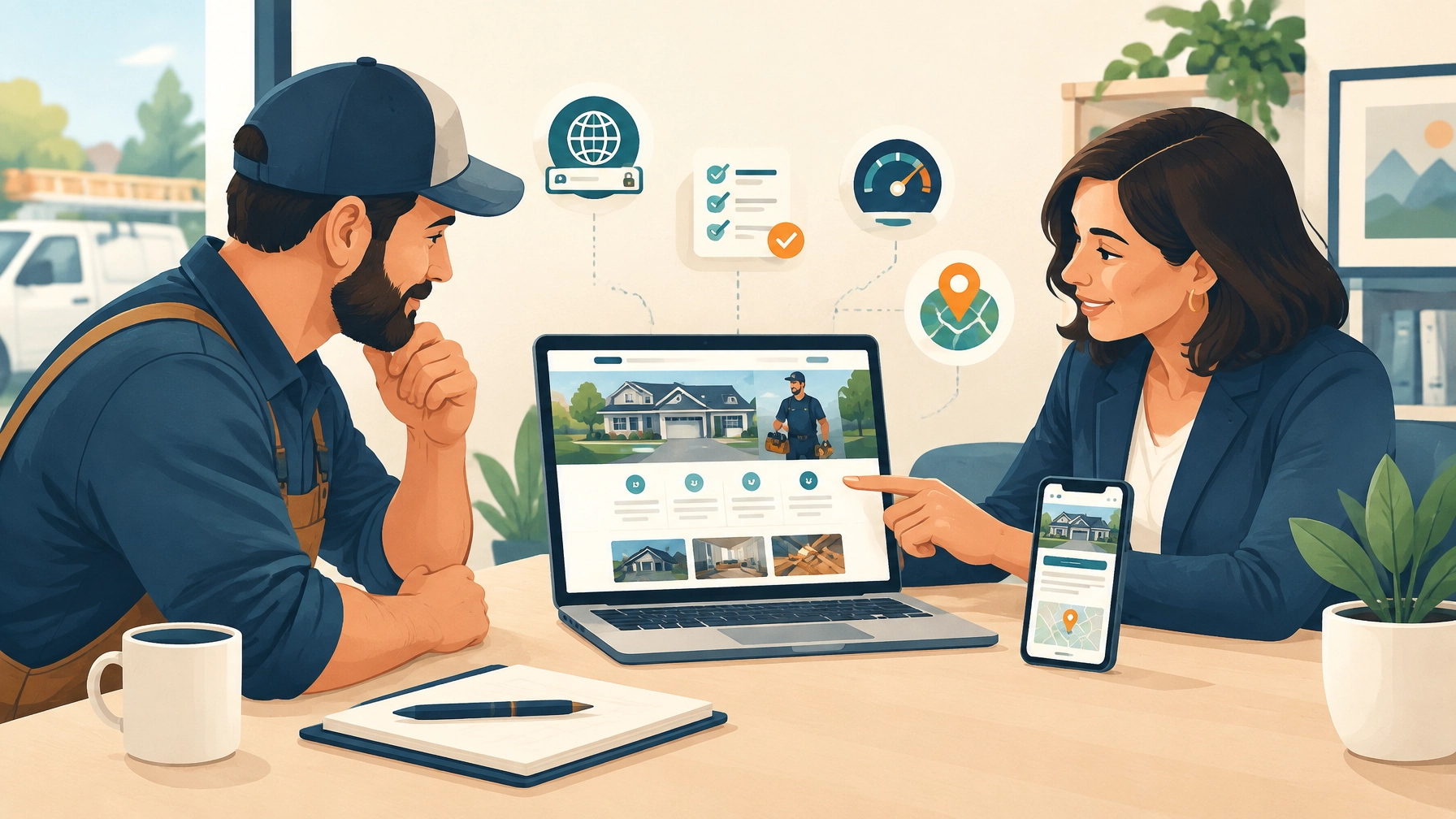
The profile earns the first look; your website should make the next step seamless. Customers who click through may want to compare services, see examples, understand your process, or request an estimate. If your website answers those questions clearly, the profile’s attention has somewhere useful to go.
That is why profile activity and business website management belong in the same plan. A maintained website gives customers dependable information after the first click, while web design for small business should make it straightforward to take action on a phone or computer. MastroTek builds self-manageable websites designed to support that journey, alongside ongoing website maintenance services and local SEO services that help businesses maintain a credible online presence.

Turn your profile into a dependable first impression
Your Google Business Profile is not a substitute for your website. It is often the digital maître d’: welcoming local customers, answering their first questions, and directing them toward a call, visit, or booking. Accurate information, genuine reviews, current photos, helpful answers, and clear measurement turn that first impression into a stronger source of qualified leads.
MastroTek helps local businesses connect that visibility to a website built to earn trust and encourage the next step. Explore our website design services, view our portfolio, or request a MastroTek estimate to discuss how your online presence can work harder for your business.